GOOGLE is rolling out new rules around how it uses website content to generate AI-powered search results in the UK. With an important regulatory deadline approaching on 3 December 2026, business owners may be wondering whether they should act.
That sounds like good news. After all, shouldn’t businesses have a say in how their content is used?
For most small and medium-sized businesses, particularly those offering local services,
I’d advise staying included in Google’s AI search results.
First, what are Google’s AI Overviews?
You’ve probably already encountered them without giving them much thought.
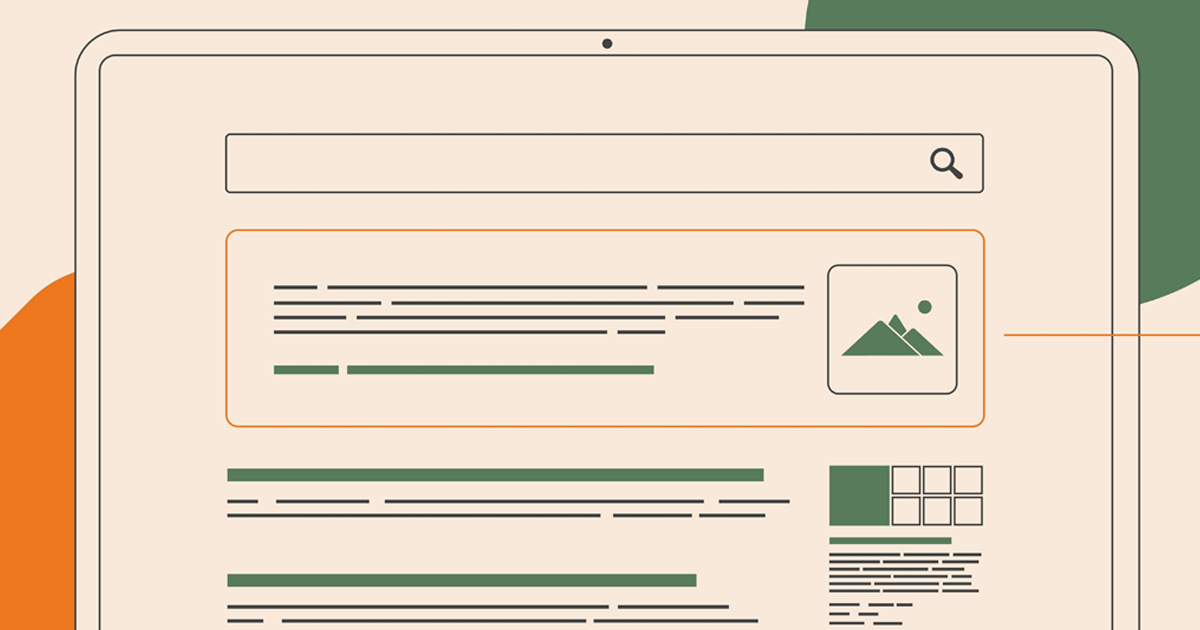
Search Google for a question such as “How often should an office be professionally cleaned?” and you may see an AI-generated answer appearing above the traditional search results.
Rather than simply displaying a list of websites, Google pulls together information to provide an answer directly within the search page. These answers can include links to the websites that helped inform them.
And that is exactly where the controversy begins.
Why is the UK changing the rules?
The UK’s Competition and Markets Authority (CMA) has been examining Google’s position in the search market and how its growing use of artificial intelligence affects businesses and website publishers.
One main concern is that Google can use information published by websites to create AI-generated answers, which could reduce the number of people who visit those original websites.
The publisher might have invested considerable time and money producing original content, only for people to consume a summary without ever visiting the source.
In June 2026, it introduced new requirements that mean Google must provide effective controls over how website content is used in its AI systems.
It potentially concerns your business website too.
You can read the CMA’s official announcement for further details.
What’s happening on 3 December 2026?
3rd December is Google’s compliance deadline, not a deadline for businesses to decide whether to opt out.
Google has an additional three months, until March 2027, to complete the required page-level controls.
There is no requirement to opt out, and remaining included is the default.
What happens if you opt out of Google AI Overviews?
This includes AI Overviews, AI Mode and generative AI features in Google Discover.
However, your website can still appear in Google’s traditional organic search results.
That is an important protection.
There is another distinction worth understanding. Opting out of AI Overviews is not the same as preventing Google’s AI models from being trained using your content.
Google explains these options in its guidance on controlling content used for generative AI.
Why would most local businesses want to stay included?
Consider how people discover businesses online.
These are all questions that a business website could answer using its own knowledge and experience.
But it creates an opportunity to be discovered.
Potentially, those sources could include your competitors.
There’s another consideration.
Not every customer clicks through to a website immediately after discovering a company. They might notice its name, investigate it later, compare reviews or search for it directly.
That makes it important to look beyond traffic numbers alone.
Could there be good reasons to opt out?
The new controls are particularly relevant to publishers whose business models depend on people visiting their websites to read original content.
In those circumstances, opting out could be part of a considered commercial strategy.
That distinction matters.
The bigger question is whether your business appears in AI search
Rather than concentrating on how to remove a website from Google’s AI Overviews, we think most businesses should be asking something else.
And if not, why not?
That means businesses need to concentrate on creating websites that communicate their expertise, answer useful questions and provide reliable information.
For example, does your website clearly explain your services? Does it answer the questions customers commonly ask? Does it present genuine experience through case studies, testimonials and examples of completed work?
But they’re becoming increasingly important as AI changes the way people search.
We explored this in more detail in our recent article, Building a Website in 2026 Means Thinking Beyond Google.
What should businesses do now?
Google Search Console now provides reporting for generative AI search features, offering greater insight into where content is appearing and the visibility it receives.
It’s also worth looking at the questions your potential customers are asking.
Those findings can help identify gaps in your website content and wider search strategy.
It’s to make your website a genuinely useful and credible source of information about your business and the services you provide.
Don’t opt out of an opportunity you haven’t explored
The CMA’s intervention is a positive development for website owners. Greater disclosure and more control over how content is used should be welcomed.
For most local and service-based businesses, staying visible in Google’s evolving search experience is likely far more valuable than withdrawing from it.
And that creates challenges and opportunities.
At RAD SEO, we’re increasingly looking at traditional SEO performance alongside AI search visibility to understand how businesses can be discovered across both.
If you’re unsure how your website is performing, or whether your business is appearing in AI-generated results, reviewing your search visibility is a sensible starting point.